
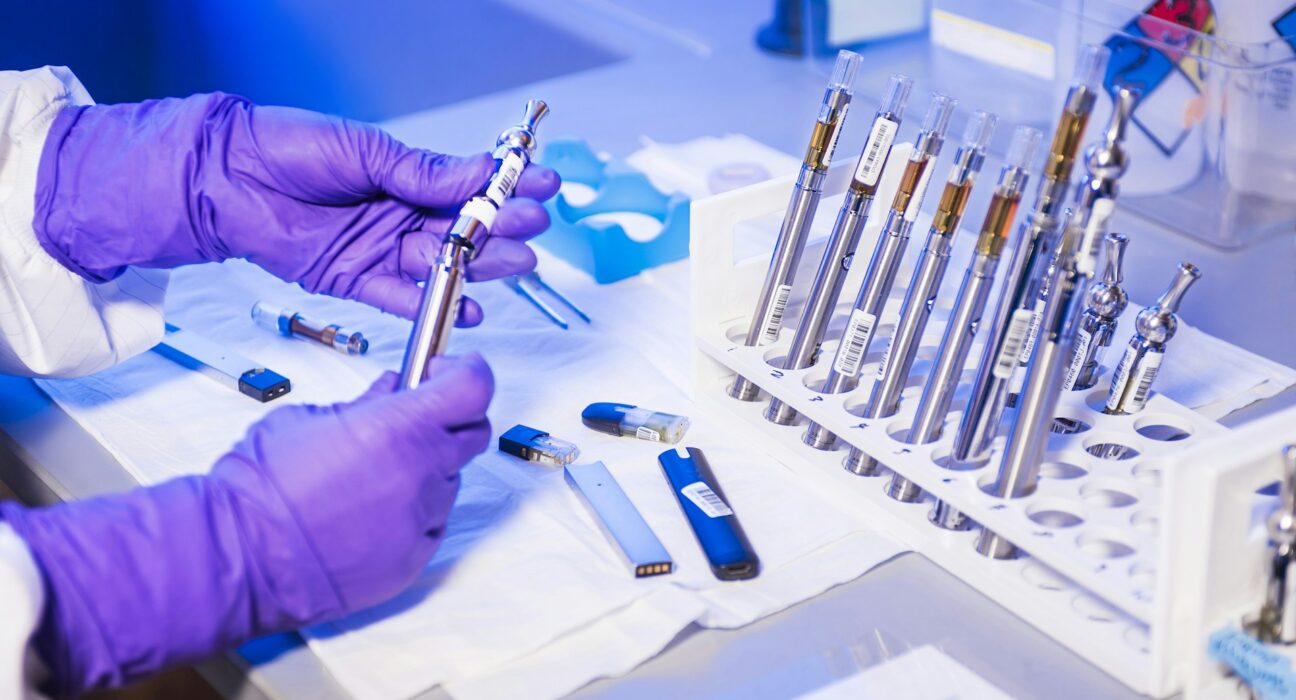
In pharmaceutical, medical device, and biotech labs, precision isn’t a luxury—it’s the foundation of every reliable result. And few tools carry more of that responsibility than the pipette. Used dozens, sometimes hundreds, of times a day, it quietly shapes the accuracy of your experiments, your data, and ultimately your conclusions.
Yet because pipettes are so common, they’re easy to take for granted. A slight drift in measurement might go unnoticed for weeks, silently compromising results. That’s why understanding proper pipette calibration and daily maintenance is essential for anyone who depends on trustworthy lab data.
This guide breaks down why your calibrated pipette matters, how to protect its accuracy, and the simple habits that keep it performing at its best. By the end, you’ll have a clear picture of how to safeguard laboratory accuracy through smart lab equipment maintenance.
Why a Calibrated Pipette Is Central to Lab Accuracy
A pipette measures and transfers tiny volumes of liquid, often in the microliter range. At that scale, even the smallest error can throw off an entire experiment. When your pipette is properly calibrated, you can trust that the volume it displays matches the volume it actually delivers.
The Ripple Effect of Inaccurate Measurements
A single miscalibrated pipette can cause problems that spread far beyond one test:
- Flawed data: Small volume errors compound across repeated measurements.
- Wasted resources: Reagents, samples, and time are lost when results must be repeated.
- Compliance risks: Regulated industries require documented accuracy to meet quality standards.
Precision as a Professional Standard
For teams in the pharmaceutical, medical device, and biotech fields, accuracy isn’t optional. A calibrated pipette supports the integrity of your work and the credibility of your results. Treating it as a precision instrument—not just a routine tool—sets the tone for the entire lab.
How Constant Use Affects Your Pipette
Because pipettes are used almost constantly, they experience steady wear over time. The internal components—springs, seals, and pistons—are delicate, and repeated use puts stress on them.
Signs of Wear To Watch For
Over time, a pipette may begin to show subtle changes that hint at reduced accuracy:
- Inconsistent liquid volumes between measurements
- Difficulty attaching or ejecting tips
- Sticky or uneven plunger movement
- Visible drips or leaks from the tip
Why Usage Habits Matter
The way your team handles a pipette every day directly affects how quickly it wears down. Rough handling, poor storage, and inconsistent technique all accelerate the decline. Gentle, consistent habits, on the other hand, help extend both accuracy and lifespan.
Building a Calibration Schedule Around Your Workflow
There’s no single calibration timeline that works for every lab. The right pipette calibration schedule depends on how often you use your equipment and what you use it for.
Factors That Shape Your Schedule
Several variables influence how frequently your pipettes should be calibrated:
- Frequency of use: Heavy daily use calls for more frequent calibration.
- Type of liquids handled: Corrosive or volatile substances can speed up wear.
- Accuracy requirements: High-stakes applications demand tighter tolerances.
- Regulatory standards: Some industries mandate specific calibration intervals.
Tailoring the Cycle to Your Needs
A schedule that’s too infrequent risks inaccurate results, while one that’s overly cautious may add unnecessary downtime. Working with calibration experts can help you find the balance that fits your usage habits. The team at Atlantic Scale, for example, can help you build a schedule tailored to your specific needs.
Daily Habits That Protect Pipette Accuracy
Small, mindful actions during everyday use go a long way toward preserving accuracy. When you work with the same equipment day after day, it’s easy to slip into autopilot—but paying close attention pays off.
Techniques for Accurate Measurement
Follow these practices each time you reach for your pipette:
- Pre-stretch the pipette: Set the dial 1/3 turn above your desired volume, then return it to the intended setting before use.
- Use smooth pressure: Apply slow, steady pressure to the plunger rather than quick, jerky movements.
- Attach tips correctly: Tips should be firm but not jammed on, which can damage delicate internal components.
Positioning for Precision
Angle matters more than many technicians realize:
- When aspirating: Keep the pipette vertical to draw liquid accurately.
- When dispensing: Hold the pipette at a 45º angle to the receptacle, with the tip lightly touching the side.
Noticing subtle changes during these daily routines can also alert you when it’s time to adjust your calibration schedule.
Proper Storage for Long-Term Reliability
How you store your pipettes between uses is just as important as how you handle them during work. Poor storage puts unnecessary stress on internal parts and can shorten your equipment’s lifespan.
Storage Best Practices
Protect your investment with these simple storage habits:
- Store at maximum volume: This relieves pressure on the internal spring.
- Keep pipettes vertical: Use a stand or carousel to hold them upright.
- Store upright during breaks: Even short fatigue breaks are safer with vertical storage.
These habits prevent slow, cumulative damage that’s often invisible until accuracy suffers.
Combining Good Habits With Professional Calibration
Daily care and professional calibration work hand in hand. Good technique slows wear and preserves accuracy between service intervals, but even the best-maintained pipettes eventually drift out of tolerance.
Why Routine Calibration Still Matters
No amount of careful handling replaces the need for regular calibration:
- Internal components naturally shift with repeated use.
- Environmental factors like temperature can affect performance.
- Documented calibration supports compliance and quality assurance.
Making Maintenance Part of Your Culture
The most reliable labs treat lab equipment maintenance as a shared responsibility. When every team member understands proper technique, storage, and calibration timing, accuracy becomes part of the daily routine rather than an afterthought.
Keeping Precision at the Heart of Your Lab
Your pipette may be small, but its impact on laboratory accuracy is enormous. By combining thoughtful daily habits with a calibration schedule built around your workflow, you protect the integrity of every measurement you make.
Start by reviewing how your team handles, stores, and calibrates pipettes today. Small adjustments—pre-stretching before use, storing at max volume, or tightening up your calibration cycle—can make a lasting difference.
And when it’s time for professional service, reach out to the experts at Atlantic Scale by calling (973) 661-7090 to schedule a consultation or calibration. Precision starts with the tools you trust. Give your pipettes the care they deserve, and your results will reflect it.




Leave feedback about this